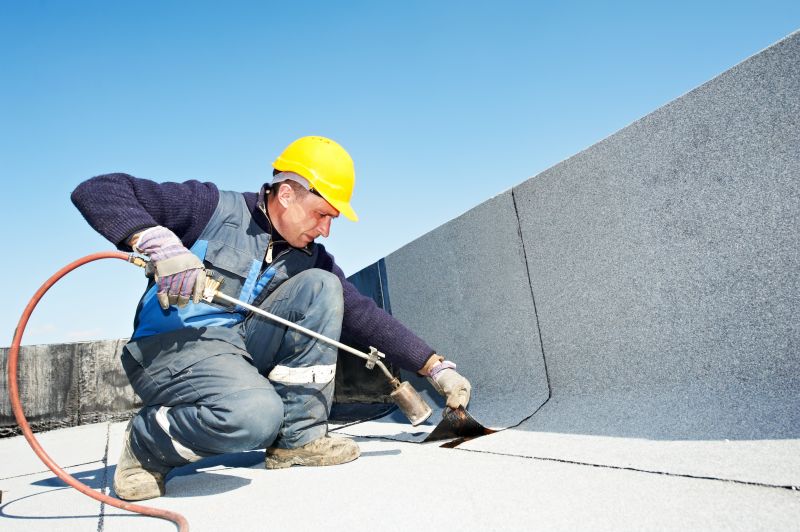
Cost of Vapor Barrier Installation in Peru, IN
Vapor barrier installation in Peru, IN, typically involves the application of a moisture-proof layer beneath flooring or within walls to prevent moisture intrusion. The final cost for such projects can vary depending on the size of the area, the type of materials chosen, and the complexity of the site conditions. Factors such as access to the installation site and existing structural elements may also influence overall pricing.
Since project costs are affected by multiple variables, it is advisable to obtain detailed estimates that consider the specific scope of work, materials, and site-related challenges. Comparing different options and understanding the potential range of costs can help in making informed decisions about vapor barrier installation projects in the Peru area.
Estimated Price Range
$1,200 - $2,800 (smaller scope)
$3,500 - $7,000 (moderate scope)
$8,000 - $15,000 (larger scope)
$2,500 - $5,000 (additional layers)
$4,000 - $9,000 (extended coverage)
| Project Type | Typical Range |
|---|---|
| Basic Vapor Barrier | $1,200 - $2,800 |
| Insulation with Vapor Barrier | $3,500 - $7,000 |
| Full Basement Waterproofing | $8,000 - $15,000 |
| Additional Layers or Thickness | $2,500 - $5,000 |
| Extended Coverage Areas | $4,000 - $9,000 |
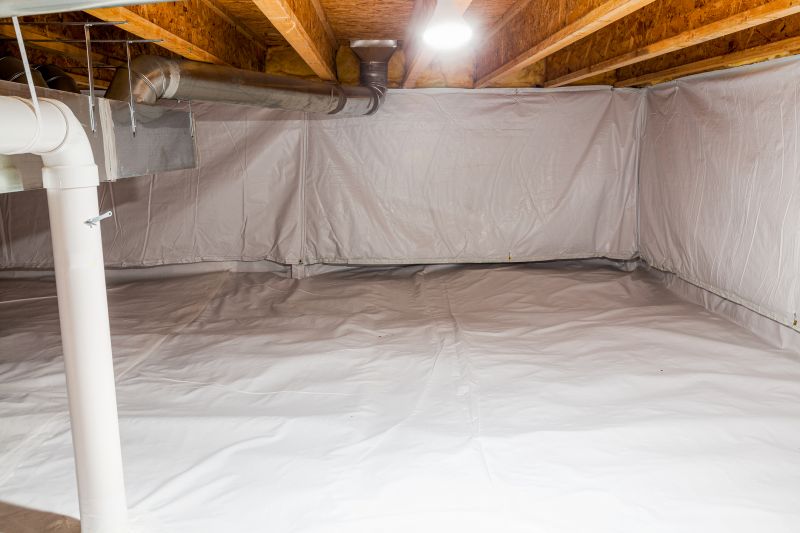
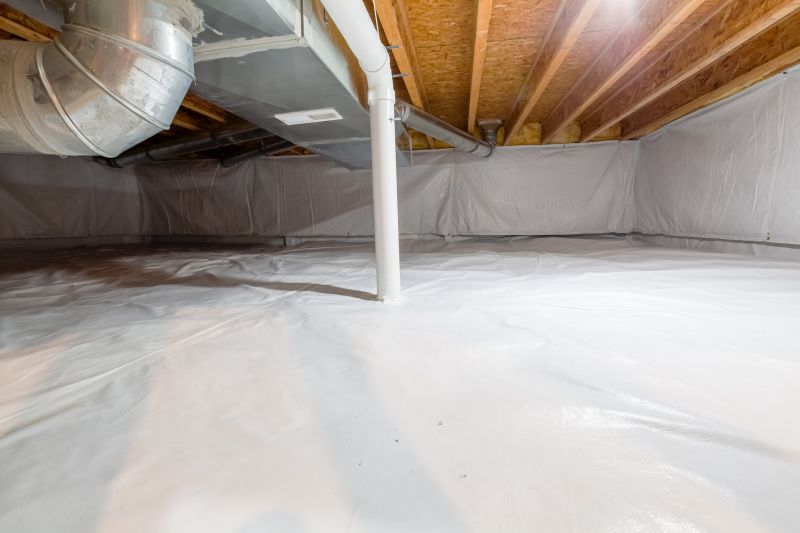
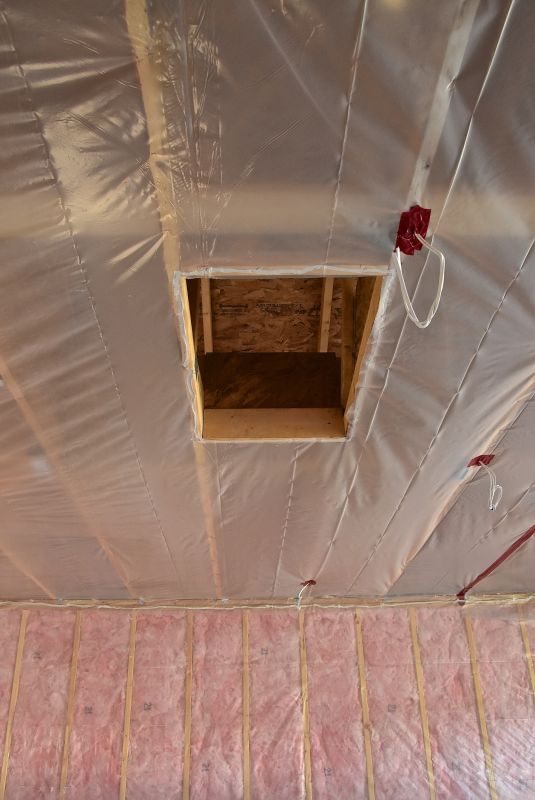
Material quality, surface area, and labor complexity affect costs.
Vapor barrier installation is an important step in managing moisture and preventing mold growth in residential and commercial buildings around Peru, IN. Proper installation involves selecting suitable materials and understanding the scope of work required for effective moisture control. Below are key considerations to help evaluate typical vapor barrier projects in this area.
- Materials: Common vapor barrier materials include polyethylene sheets, typically 6-mil or thicker, suitable for residential and light commercial use.
- Size and Scope: Installation generally covers crawl spaces, basements, or under concrete slabs, with the size ranging from small utility areas to larger foundation sections.
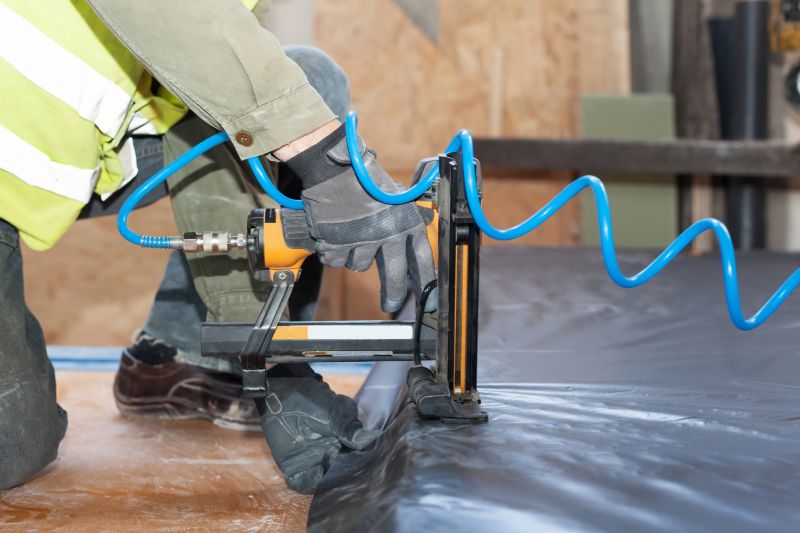
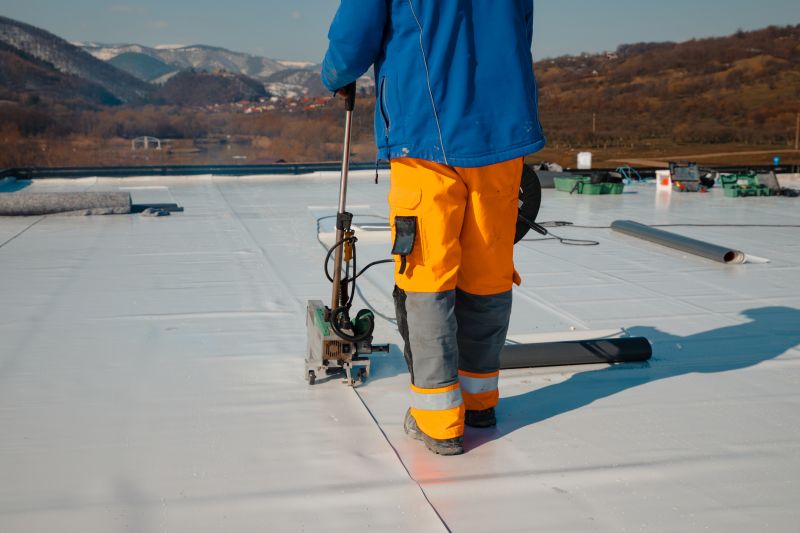
- Labor Complexity: The process involves laying out and sealing the barrier to ensure continuous coverage, often requiring basic to moderate labor skills.
- Permitting: Local building codes may require permits for foundation work, including vapor barrier installation, especially for new construction or major renovations.
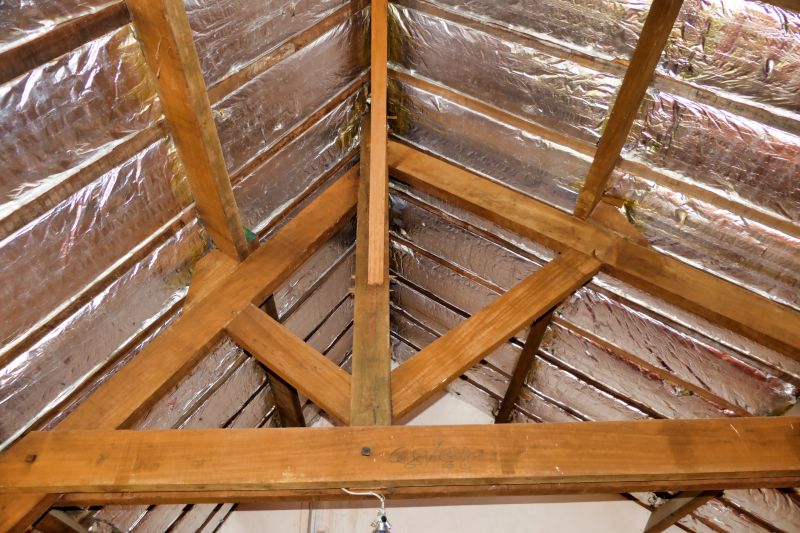
- Additional Options: Considerations may include adding insulation layers, sealing penetrations, or incorporating moisture barriers for specific areas to enhance effectiveness.